
Lack of Visibility
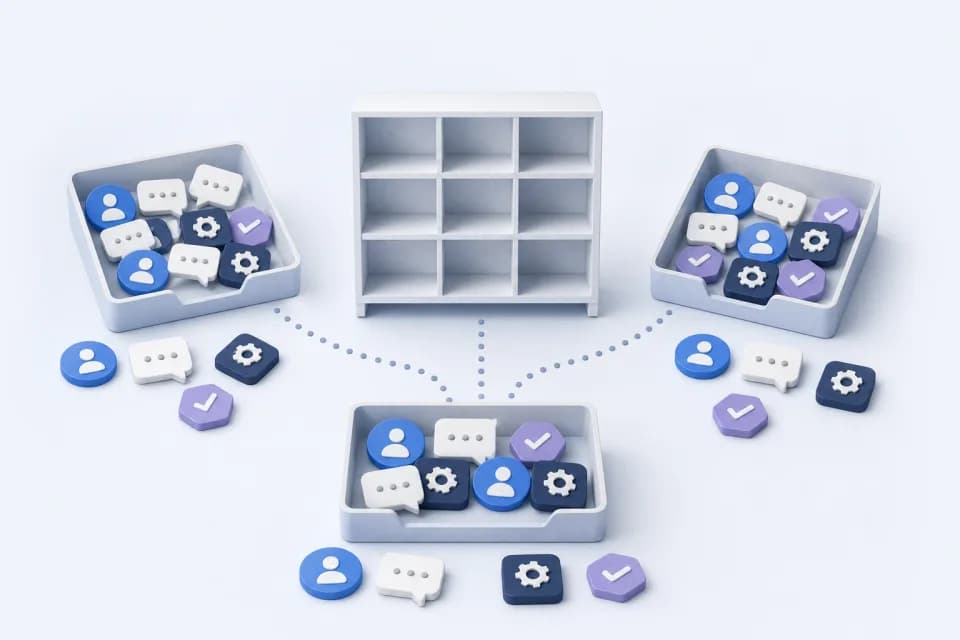
Billing data, token usage, model activity, and business outcomes remain siloed, preventing accurate cost attribution to business units, projects, users, or specific AI applications.


Unified Access: Ensure Every Unit of AI Compute Is Accountable, Governed, and Delivers Outcomes
HypersHub Product Walkthrough

The enterprise AI reality
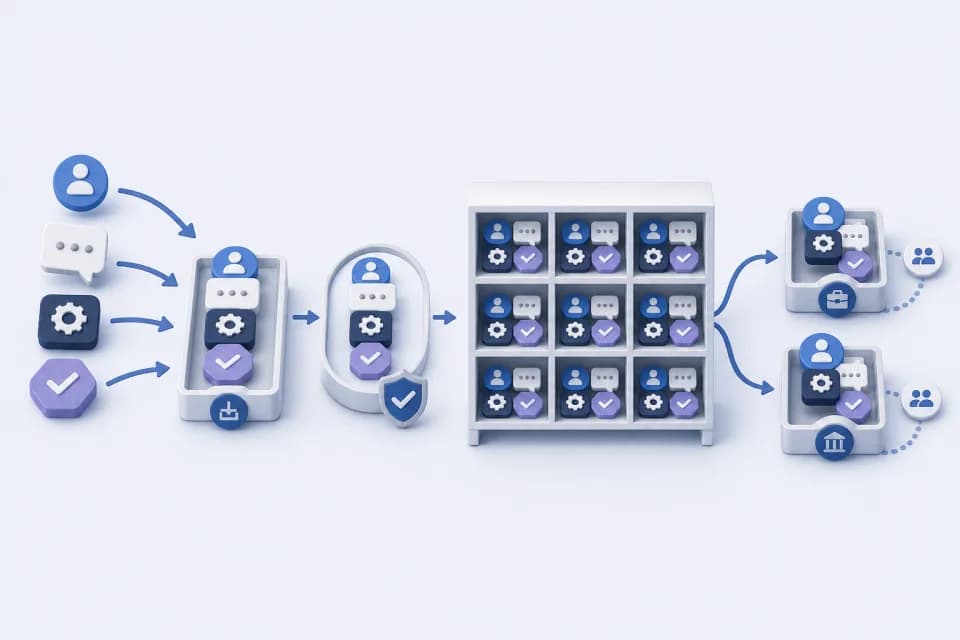
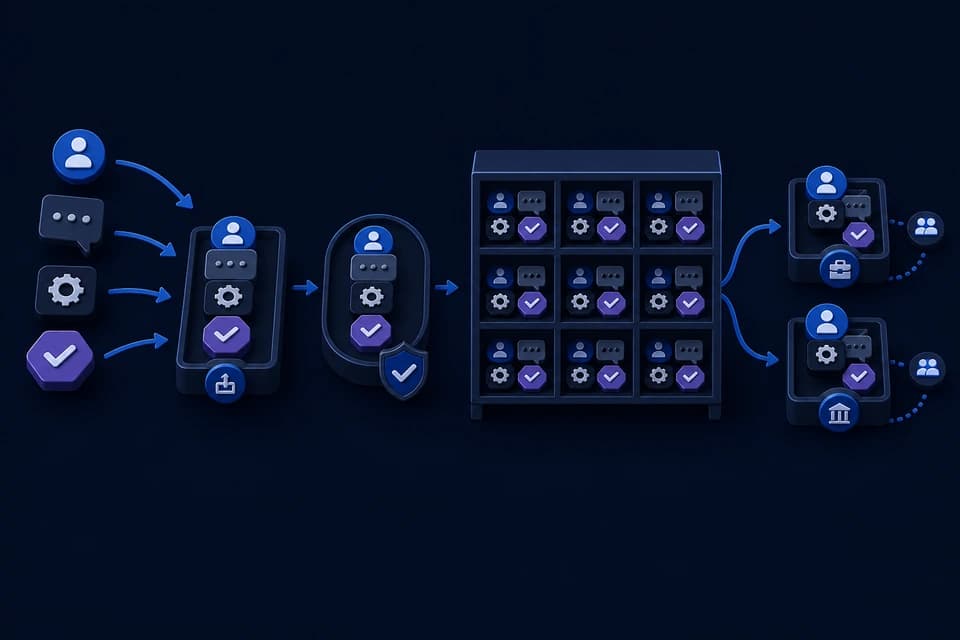
When API calls are fragmented across vendor accounts, shared keys, departmental applications, and personal agents, enterprises do not need another access point—they require a unified governance framework spanning all AI applications and execution.
Billing data, token usage, model activity, and business outcomes remain siloed, preventing accurate cost attribution to business units, projects, users, or specific AI applications.
Shared keys circumvent identity and permission boundaries, making it difficult to enforce consistent policies governing model selection, budget allocation, sensitive actions, and termination conditions.
Agents, prompts, skills, and evaluation results remain dispersed across teams, resulting in duplicated efforts and a lack of formal registration, approval, reuse, and lifecycle management processes.
Three control pillars
From financial visibility to runtime control and enterprise-wide capability reuse, HypersHub provides a scalable foundation for unified AI governance and operations.
01 · AI FinOps
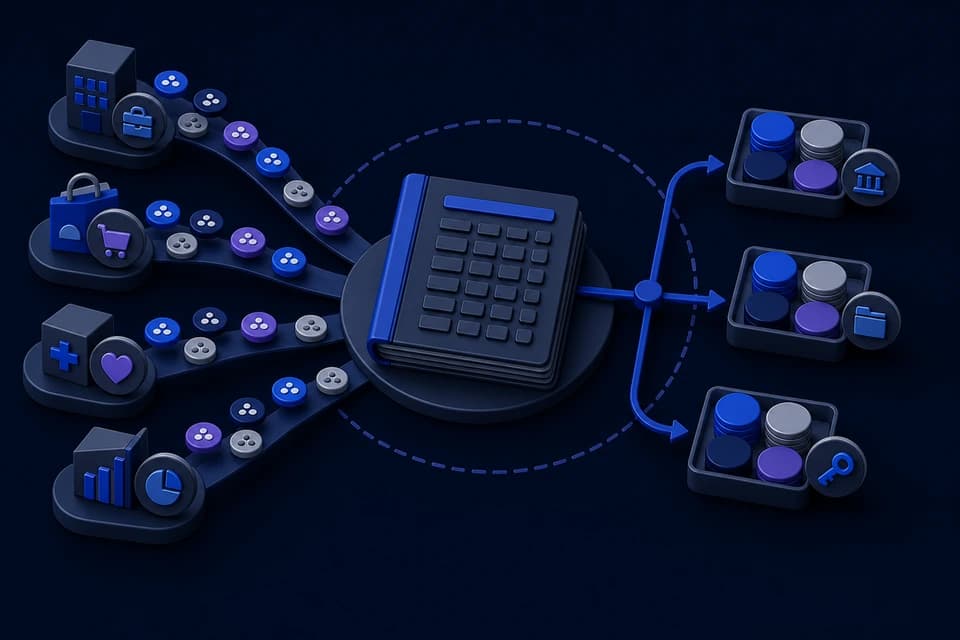
Unify model supply and enterprise traffic, attribute each expense to the real user and business context, and continuously optimize within budget boundaries.
02 · Runtime Control
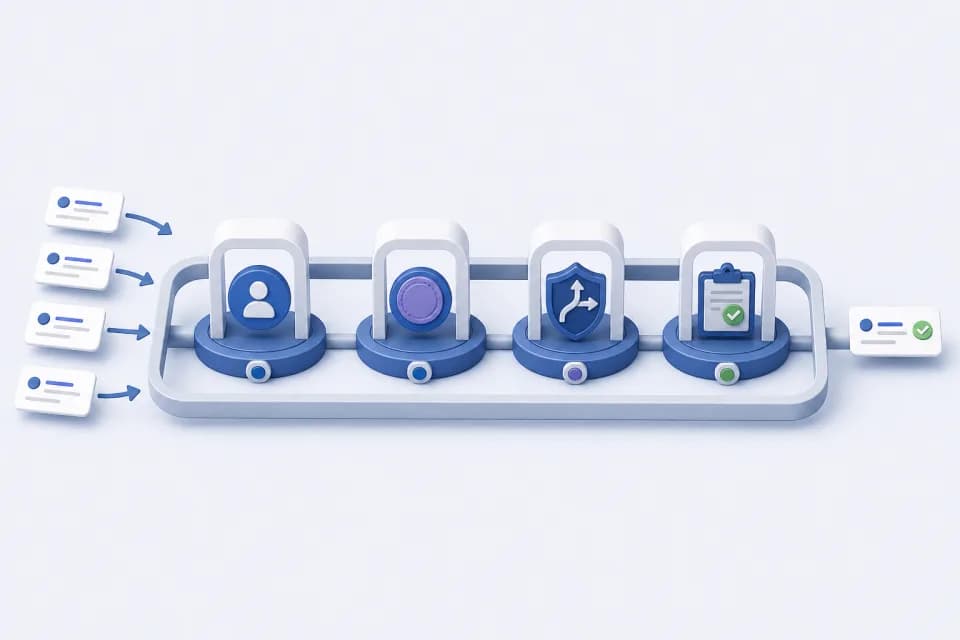
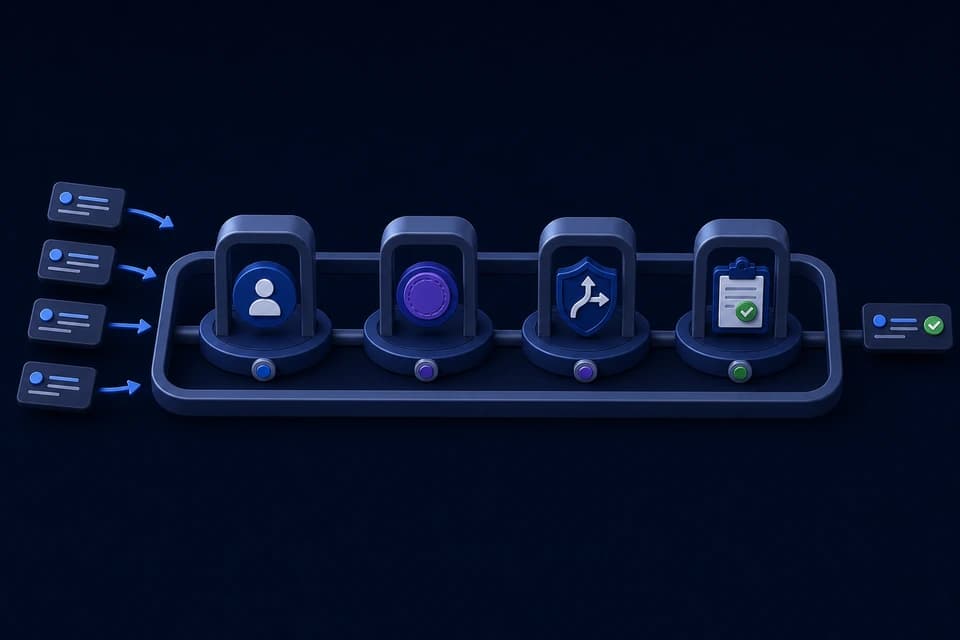
Make every production AI request run with identity, budget, and policy attached, while preserving an auditable trail and clear risk boundaries.
03 · Capability Operations
Turn reusable agents and skills from team artifacts into enterprise assets through registration, evaluation, approval, and lifecycle operations.
Vendor-neutral · Distributed execution
Teams continue leveraging their existing models, frameworks, and agent builders, while HypersHub centrally enforces identity, cost controls, policy, audit, and capability operations across the enterprise.
01
02
Operating principle
HypersHub does not replace models, productivity suites, or agent frameworks. Rather, it integrates these systems to enable an enterprise AI operating model characterized by centralized governance and distributed execution.
End-to-end security and governance
Embed organizational boundaries and business rules into every request, ensuring production AI operates within verifiable guardrails.
Map employees, teams, applications, and access credentials to clearly defined accountable owners—minimizing reliance on anonymous shared keys.
Enforce consumption limits through quotas, budgets, and guardrails—shifting cost control from reactive month-end reconciliation to proactive daily operations.
Apply model access, routing, and content-handling policies based on business criticality and risk tiers—with support for phased implementation.
Maintain comprehensive audit trails for requests, policy evaluations, and execution outcomes—using empirical data to drive continuous risk reduction and performance optimization.
Implementation Roadmap
Validate governance value through a well-defined, measurable pilot, then scale proven standards across teams and use cases.
Select a production-grade use case; assess existing model supply, billing, identity, risk posture, and success metrics.
Onboard target workloads into the control plane; establish clear mapping between AI applications, consumers, and associated costs.
Validate that budgets, policies, routing logic, audit coverage, and exception handling meet business and governance requirements.
Codify reusable onboarding and operational playbooks; expand prioritized use cases across additional applications, agents, and teams.
Request a Demo
Share your current environment and objectives. The HypersHub team will tailor the discussion to your operational context—focusing on cost attribution, execution controls, and capability operations.
After submission, a member of our team will contact you promptly.
You may also contact us directly at sales@hypershub.com